
How to life coach, a guide to your first step
People already come to you for guidance. This guide helps you work out whether to turn that into a career.
The coaching space is noisy. Some people will tell you that you don’t need certification. Others confuse coaching with teaching or advising. So before you spend money on anything, let’s get you clear. I’ve spent over 30 years as a professional coach, and I’ve guided natural coaches to become master coaches in more than 60 countries. Here’s what I’ve learned.
Life coaching is a real profession, and it’s growing
There is genuine demand for quality life coaches. In the USA alone, around 18,000 people a month search to find a life coach near them. Where there’s demand there’s supply, and with supply comes noise and confusion. That’s exactly why bodies like the International Coaching Federation matter. The ICF represents the gold standard of professional coaching globally, and it’s how clients and employers tell the difference between a trained coach and someone who printed a business card.
I can’t speak for the whole industry in all its shapes and sizes. I can only share what I’ve learned on my own 30 year journey, and from watching thousands of natural coaches become professionals.

The 4 steps from natural coach to professional
Think of these as four pillars, and build one at a time. You’re standing on the first one right now.
1. Confident Clarity
You are here. You’re seeking honest answers to important questions before you commit money or years to this path.
2. Credible Certification
Once you’re committed, you start shopping for the right qualification, and you learn what makes one credible.
3. Custom Coaching
The step most coaches skip. You build a toolbox big enough to design bespoke coaching journeys for real clients.
4. Client Cashflow
Turning a steady stream of clients into abundant cash flow, built in a conscious and ethical way.
A word on step three, because it’s the one that quietly decides who succeeds. Never limit yourself to one coaching niche, even when most of the internet tells you to. A niche is useful for your shop window, but don’t build a shop window before you have a shop. Our most successful master coaches are successful precisely because they’re multi niche. They carry all four of the most in demand toolboxes, life coaching, executive coaching, Enneagram coaching and business coaching, and that’s how they become their client’s go to coach.

Is coaching actually your purpose?
I have a slightly different take on purpose. Most people will tell you your purpose is something you’re supposed to do. But what if believing purpose is something we must do is exactly what blocks us from living it?
Over 25 years ago I sat with a pen and paper to coach myself, because I was facing a crisis. My baby daughter had been born with life threatening health challenges. We endured a year of hospitals, medical bills and stress, and then I found out my husband’s small business was in debt for over half a million. Our home was going to be repossessed. Friends were delivering groceries. We were rushing my daughter in for emergency procedures every two to three weeks.
Coaching myself was the only way I stayed sane. I wrote down one question. “What must I do?” What must I do to be a strong mother to my two baby daughters? What must I do to save our home?
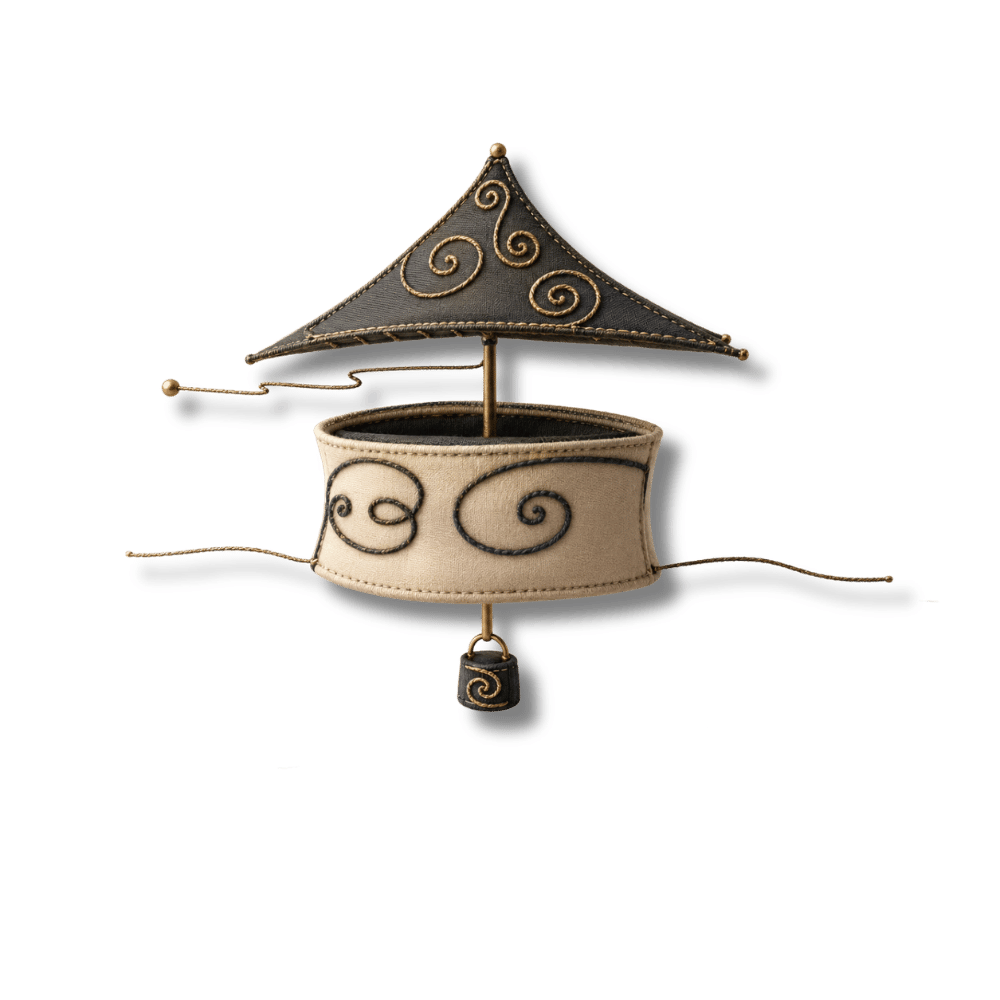
I didn’t just write a to do list. Using methods I’d developed over decades, often by accident and out of desperation, I tuned in deeper than the surface mind. This is like sending a bucket into an inner well to find water. I always know the bucket has hit the water because the felt sense in my body changes, from closed and stressed to open and peaceful. Only then do I trust the insight. Otherwise my ego interferes. I later called this practice the Wisdom Well Way, and we teach the felt sense part of it in our Intuition Coaching short course.
“You’re asking the wrong question. Instead of asking what you should do, ask who am I. If you were an apple tree and didn’t know you were an apple tree, how would you know what to do?”
I wasn’t sure how that was meant to pay the bills. But I was desperate enough to try anything. We rarely recognise the moments that change our lives while they’re happening. Looking back, that was the one.
An apple tree’s purpose is to be an apple tree. It’s already an apple tree in seed form. Everything it does is a natural expression of what it is. So what if your purpose isn’t about what you do, but about who you bring to what you do? What if you’ve been trying to make oranges?
That day I committed to finding and freeing my apple tree. Every morning at my desk I asked, what would my apple tree do, so that my doing was an expression of who I was. You can feel when you’re true to who you were born to be. It feels like sap rising.
Two questions to test whether your apple tree is a coach
Does your sap rise?
Sap is the lifeblood of the tree. It’s the feeling of time standing still, of inspiration, strength, love and peace. Does that happen when you step into the role of the guide, when you inspire and empower someone? If it does, that’s a clue this role belongs to who you are.
If you were free, who would you be?
Survival consciousness blocks the apple tree. So imagine every bill was paid and you were free to roam. Would you still show up as a coach and guide to others, because it felt natural to do so? A yes validates that your apple tree is designed to coach.
You don’t need a certificate to be your apple tree self. Can you imagine walking up to an apple tree and asking what certifies it to make apples? But those of us who know our nature is to guide choose certification anyway, so that we can master the skills and express that nature more fully.
4 checks for confident clarity
Tick these four off and you’ll have the clarity you need at this early stage, either to step forward confidently or to walk away knowing it isn’t your path. Both are good outcomes.
Purpose check
You know your purpose is to coach, guide, inspire and lead in a coaching way. It’s who you are.
Understanding check
You know what life coaching is and what it isn’t. You’ve sifted through the confusing voices and found your clarity.
Difference check
You understand coaching versus therapy versus mentoring, and whether you want to be a pure coach or a blended one.
Commitment check
You’ve decided you have what it takes to commit. This is a life of learning, not an overnight success story.
Coaching, therapy or mentoring?
Coach is a generic word. It once meant a carriage. Anyone can call themselves a coach without understanding what coaching is and isn’t, which is part of why the profession gets a mixed reputation.
Pure coaching gives no advice. It draws the client’s own wisdom out. Mentoring shares experience. Therapy works with healing and the past. You may well discover you’re what we call a blended coach, drawing on more than one role. That’s a legitimate choice, and our programs are designed to support both pure and blended coaches. What matters is that you know which one you’re doing, and that your client knows too.
One more thing. Don’t box yourself into the title of life coach. Add life coaching to your list of services instead. Our most successful master coaches never limited themselves to one label.


Do you have what it takes?
If it’s your nature to guide, inspire and empower, then the answer may well be yes, because you’re built that way. But if you want the overnight success version, this isn’t the right path.
It’s one thing to cook a few good meals at home for people you love. It’s quite another to run a restaurant. Becoming a master coach means committing to this as a profession, and that means a life of learning. I hold the ICF’s MCC credential, their highest, and I authored an accredited program taught in over 60 countries. I’m still learning. Every year I have more aha moments and I watch my own coaching improve.
We’re not for the quick fix seekers who want to offer surface level to do list coaching and make a lot of noise without substance. We’re here to serve the people who are called to serve others.
You don’t have to guess. Our free quiz asks you twelve honest questions and tells you where you’re strong and where you’d need to grow: do you have what it takes to coach?
So where do you start?
There are three honest ways in, depending on how sure you are. There’s no wrong one.
Taste it free
Like tasting the cake before you buy it. Sample a free course and find out whether this path is really yours.
Try a short course
Usually three practical classes are enough to give you a real taste and foundation skills. A low risk entry point, and it counts toward the full certification.
Go for full certification
The full ICF accredited path takes 10 to 12 months on average. This is the one that changes careers.
Let’s check if there are seats and our fit?
Coaching certification is a real commitment, so let’s make sure it’s the right one for you. Answer five quick questions and we’ll point you to the best next step, whether that’s a call with our team or somewhere better to begin.